North Yorkshire, United Kingdom
Bryan Smart
North Yorkshire, United Kingdom
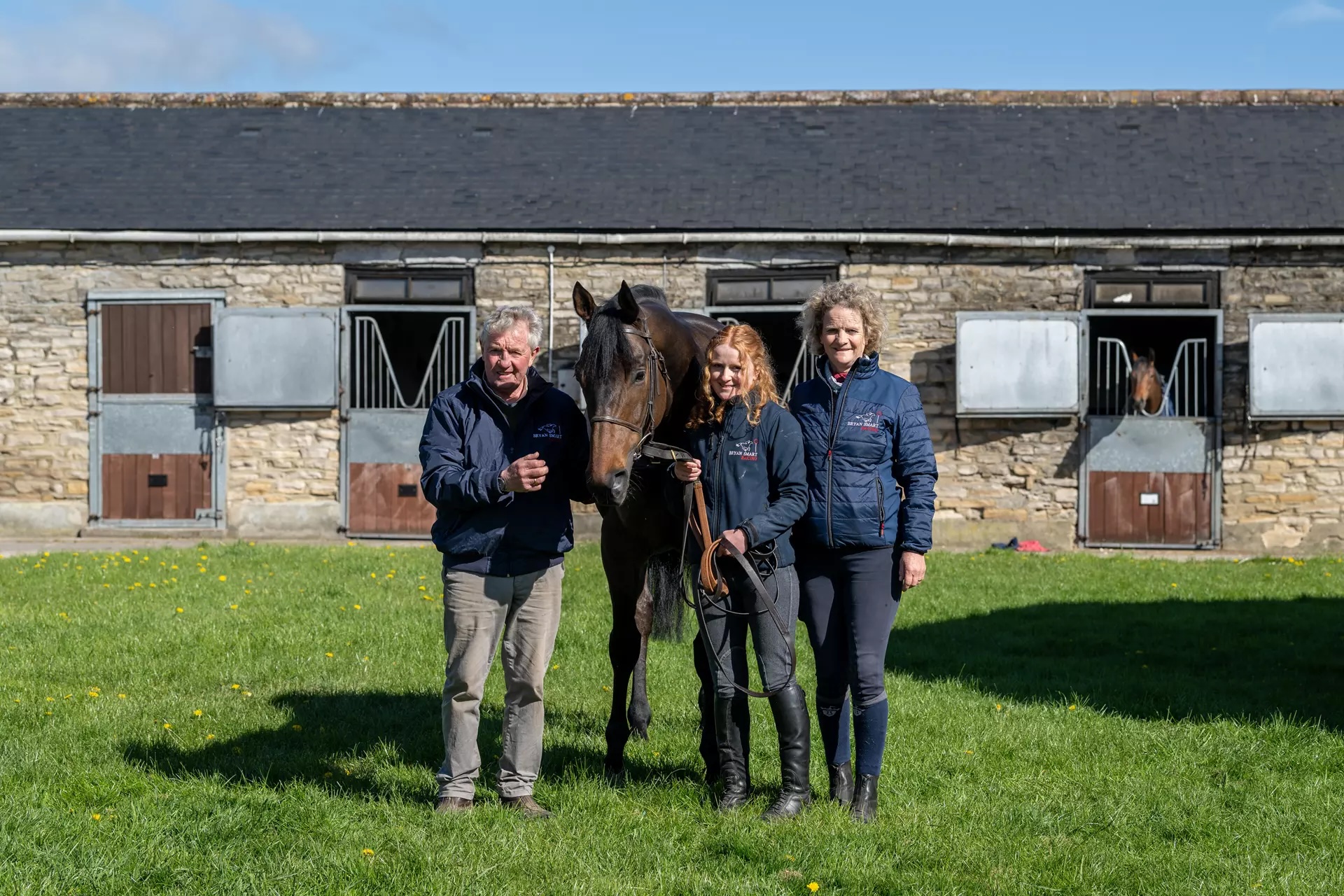
Bryan Smart is a multiple Group 1-winning Flat trainer based at historic Hambleton House near Thirsk in North Yorkshire. His route into racing began far from the traditional racing establishment: the son and grandson of coal miners, Bryan left school at 15 to work for Jenny Pitman before establishing himself as a successful professional jump jockey. He rode more than 200 winners and also worked closely with legendary trainer Fred Winter, whom Bryan credits as one of the major influences on his career.
After injury brought his riding career to an early end, Bryan moved into training and took out a full licence in 1986. He spent 12 successful years training in Lambourn before relocating north in 2002 with his wife Vicky and daughter Beth to take over Hambleton House. Since then, the family has developed the historic yard into a modern Flat training operation while retaining its distinctive character and racing heritage.
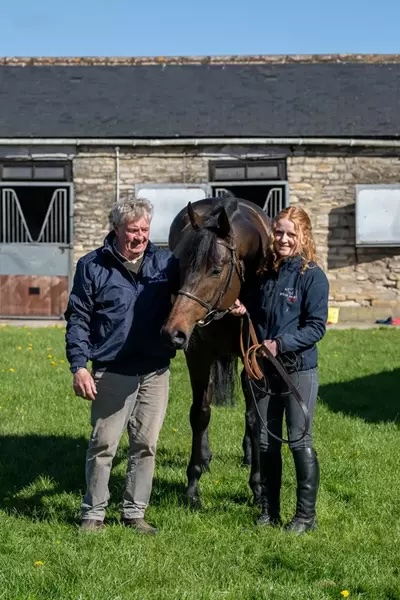
Today Bryan works alongside Vicky, an equine sports therapist and veterinary physiotherapist, and Beth, who holds a First Class Honours degree in Equine Science and became assistant trainer in 2021, making the operation very much a family-run yard.
Bryan trains from Hambleton House, a historic training establishment at Sutton Bank on the edge of the North York Moors. The yard combines centuries of racing heritage with a modern training operation and contains 76 spacious traditional and American barn-style stables.
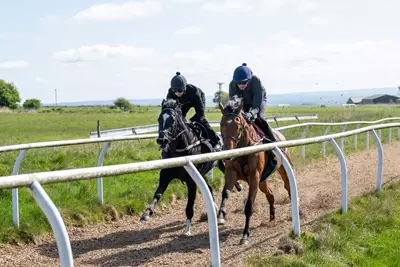
The yard has its own private training grounds immediately adjacent to the stables, meaning horses can reach the gallops without roadwork or travelling. Its principal all-weather Woodfibre gallop incorporates a canter circuit before climbing gently uphill for six furlongs, complemented by grass gallops and a one-furlong all-weather canter and trot ring.
Additional facilities include two covered horsewalkers, three-bay starting stalls, indoor and outdoor arenas, extensive paddocks and turnout areas, horse weighing scales and specialist rehabilitation facilities. The latter include an on-site physiotherapist, cold-water Jacuzzi spa and solarium stable.
The team also uses equinITy performance monitoring technology to record information including heart rate, GPS data, stride length, speed and recovery during exercise, adding objective performance data to the yard’s traditional hands-on approach.

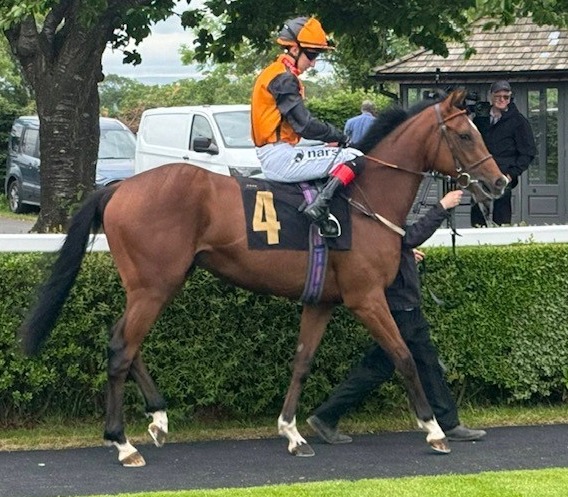
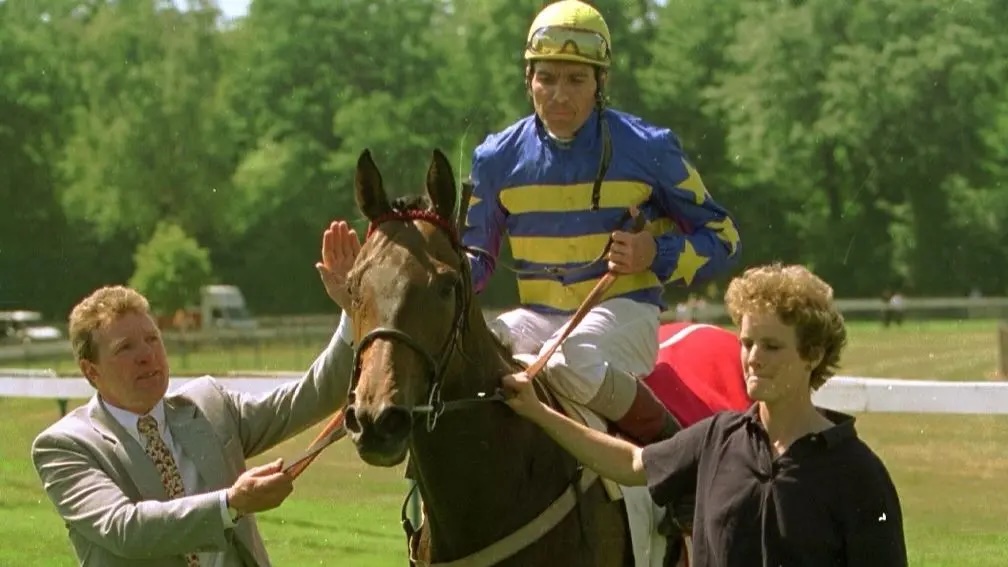
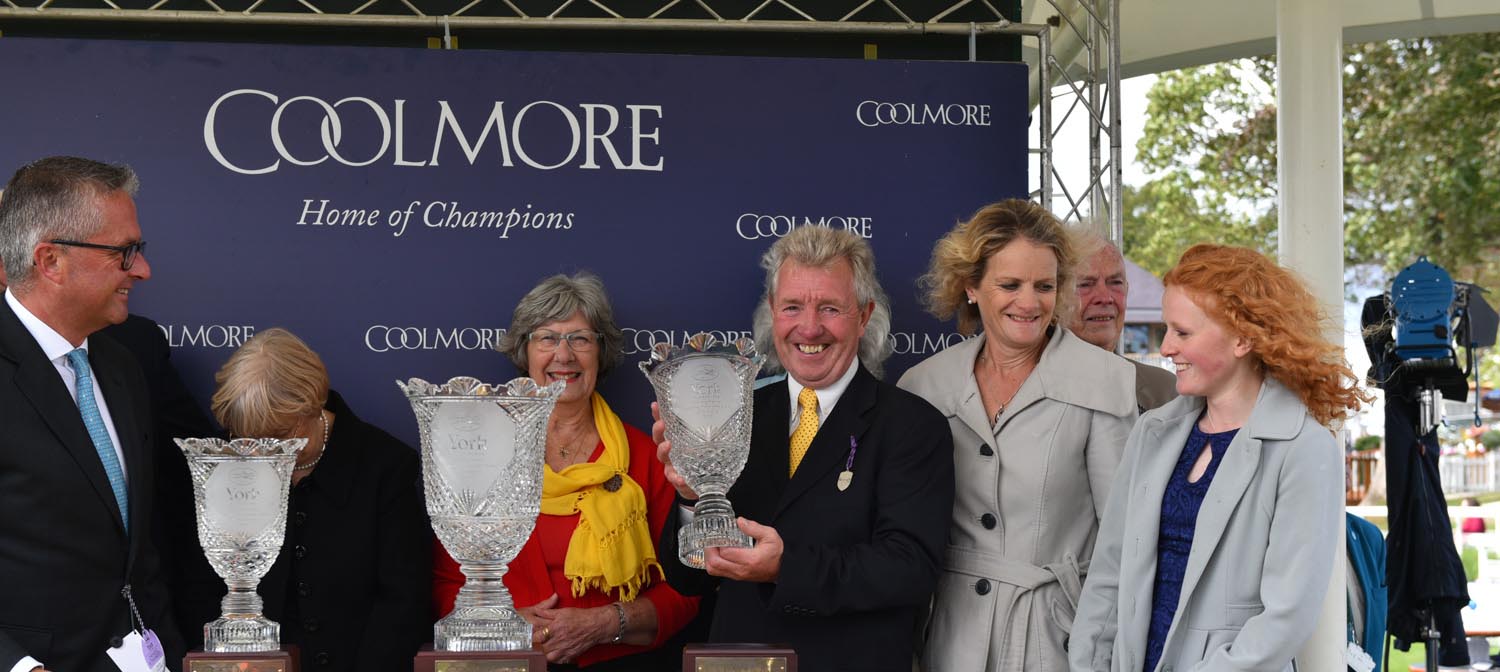
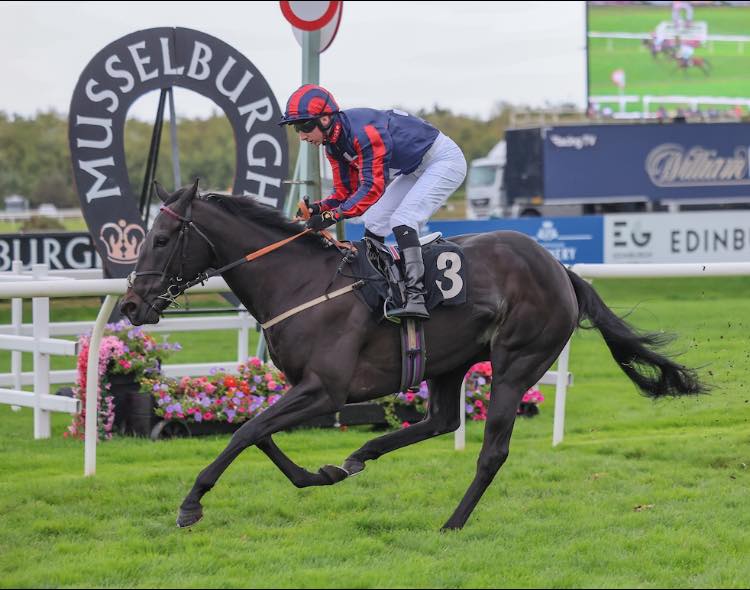
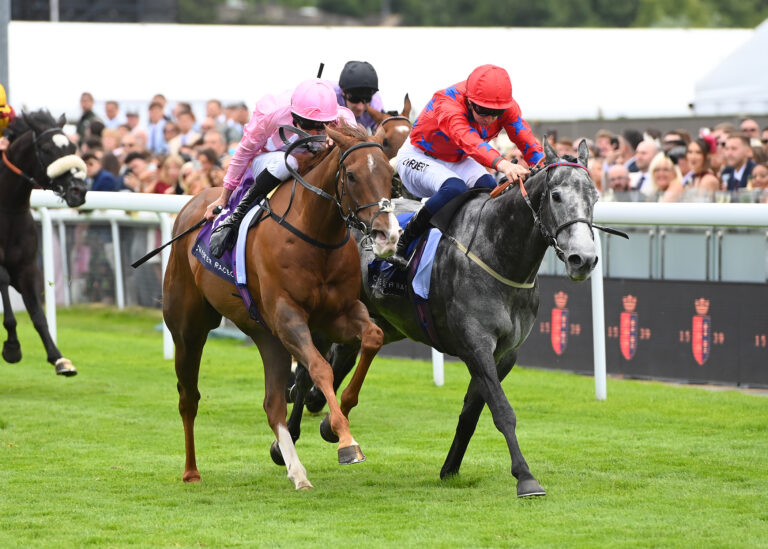
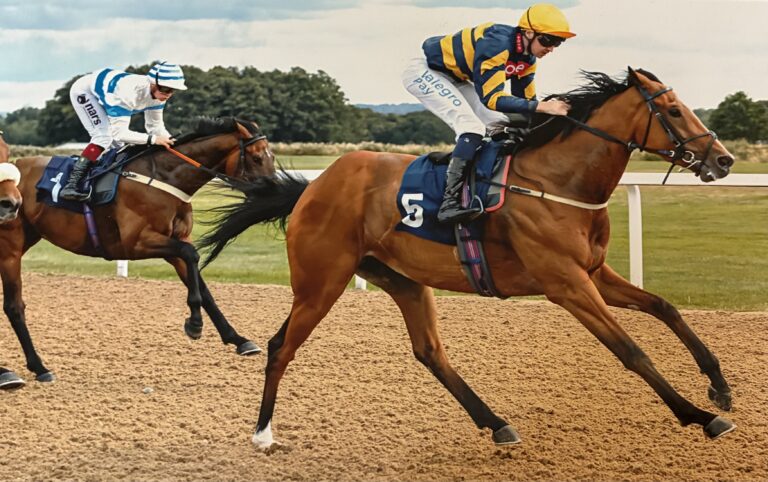
Bryan has trained winners at the highest level in Britain and internationally, with the yard recording more than 30 Group and Listed successes. His three Group 1 winners demonstrate both the longevity and versatility of his career.
Sil Sila provided his first major international breakthrough when winning the Group 1 Prix de Diane — the French Oaks — at Chantilly in 1996. Tangerine Trees later developed into one of Britain’s leading sprinters, culminating in victory in the Group 1 Prix de l’Abbaye at Longchamp in 2011.
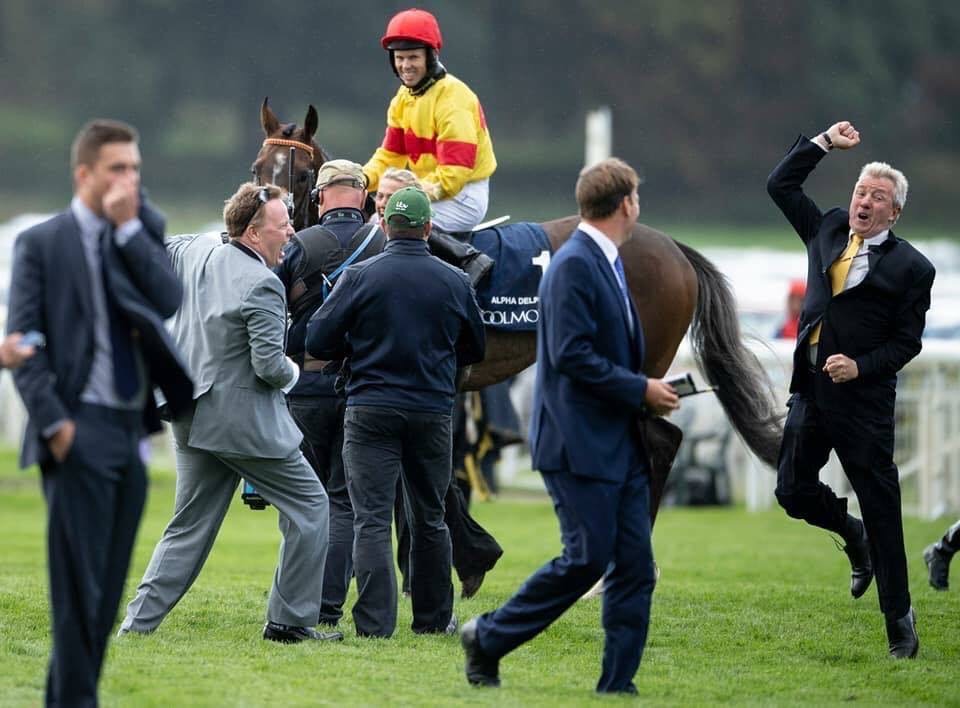
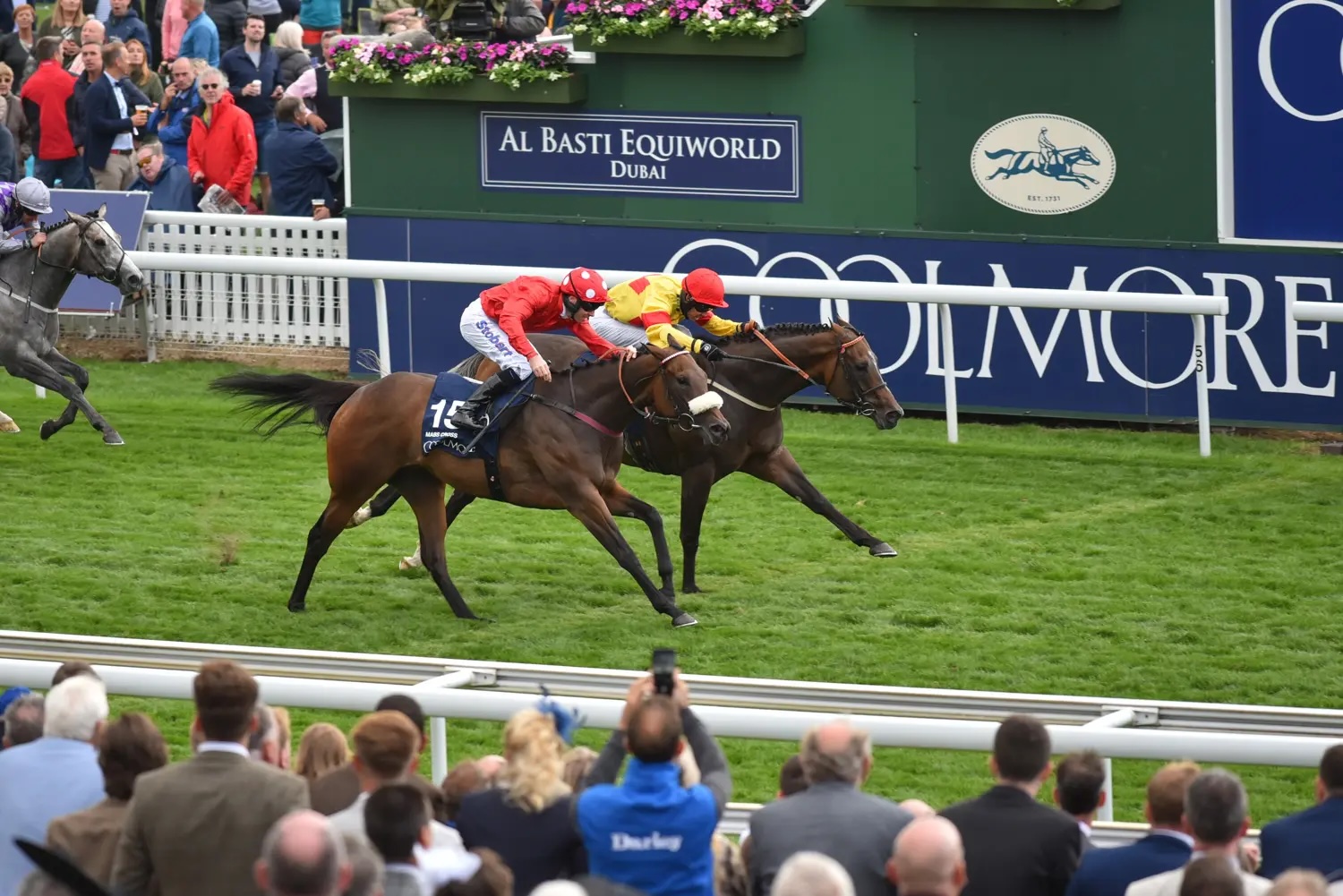
In 2018 Alpha Delphini gave Bryan his first domestic Group 1 when defeating a top-class sprint field in the Nunthorpe Stakes at York. Bryan had bought him for £20,000 as a yearling and patiently developed him from an unpromising racecourse debut into a Group 1-winning sprinter.
Other major winners include Coventry Stakes winner Hellvelyn, King George Stakes winner Moviesta and Duke of York Stakes winner Monsieur Bond, while Bryan’s record with juveniles includes three consecutive two-year-old black-type winners at Royal Ascot.
Bryan’s training philosophy is built around treating every horse as an individual. His approach combines decades of practical horsemanship with therapeutic expertise from Vicky and more modern, science-led thinking from Beth, allowing training programmes to be tailored to each horse’s physical needs, temperament and stage of development.
A central principle throughout Bryan’s career has been to “keep the speed”. Although particularly renowned for producing sprinters and two-year-olds, he believes every successful racehorse needs the ability to quicken, regardless of distance. That philosophy has helped the yard succeed from five-furlong Group races through to middle-distance Classic company.
Patience is equally important. Bryan has repeatedly produced horses who needed time to mature or rediscover their enthusiasm for racing, with Group 1 winners Tangerine Trees and Alpha Delphini particularly strong examples. Horses are given turnout, hand grazing and varied routines alongside their training, with the aim of keeping them physically healthy, mentally settled and enjoying their work.
© 2025 Horsebox. All rights reserved.
Make Horsebox work better for you
Optional cookies help us improve your experience and make our advertising more useful. You’re always in control. Privacy policy